Tea room & garden
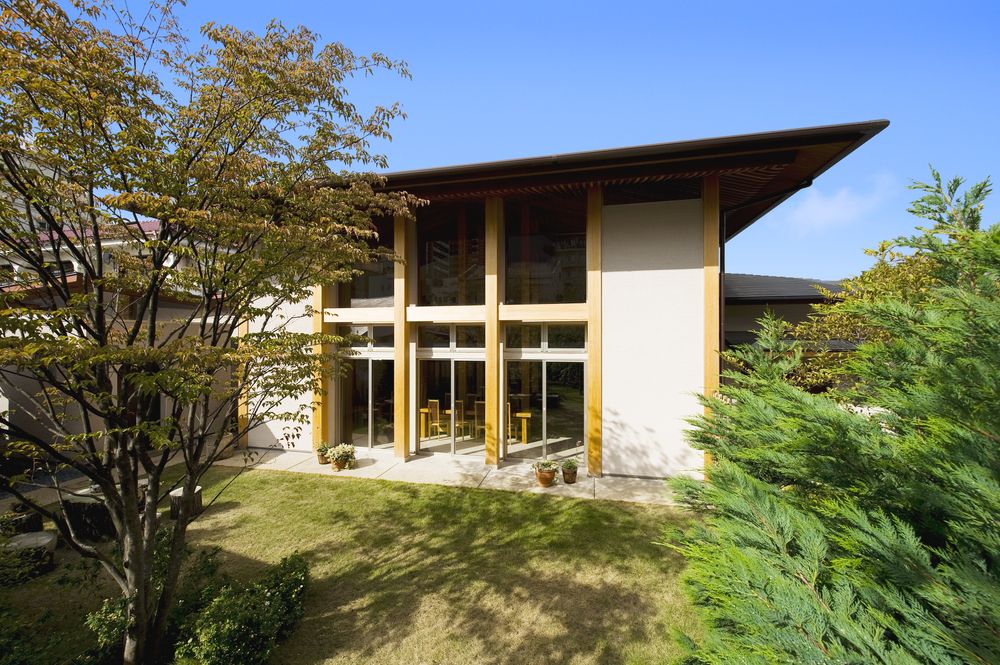
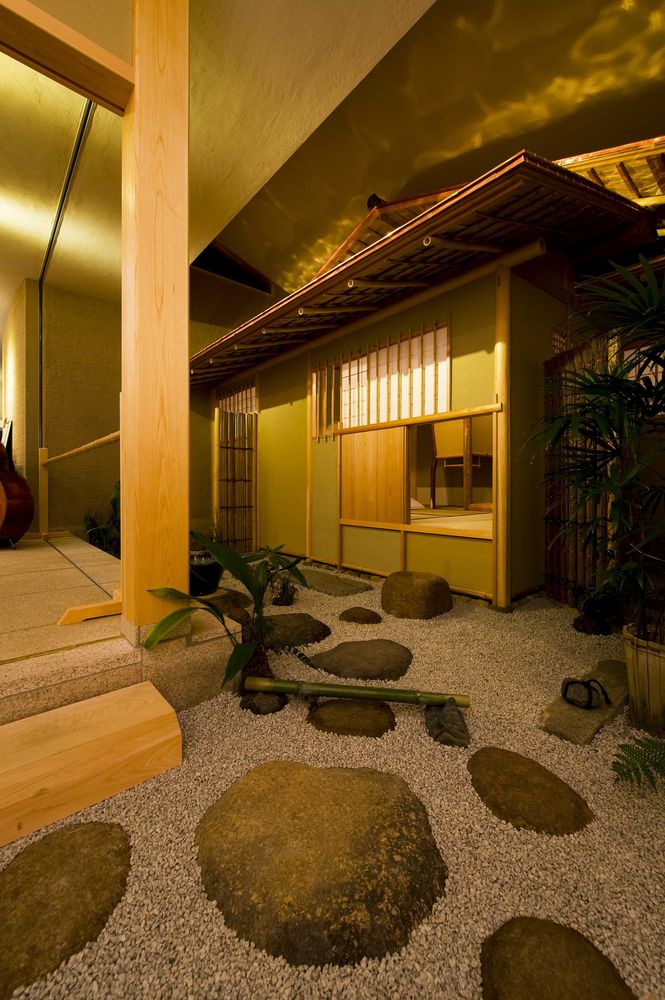
Kokyu is not only a soba restaurant. Behind our earthen walls are a garden and a full set of rooms for the Japanese tea ceremony.
We have a large tatami room (hiroma), a small tea room (koma), a tea garden (roji) and a preparation room (mizuya), so formal tea gatherings (chaji and chakai) can be held here, as well as quiet meals with family and guests.
A tea gathering at Kokyu
Guests walk through the roji and enter the koma through the low nijiriguchi for tea. Kaiseki can be served in the hiroma, while the host prepares everything in the mizuya. Each space for a full tea gathering is here under one roof.
The house
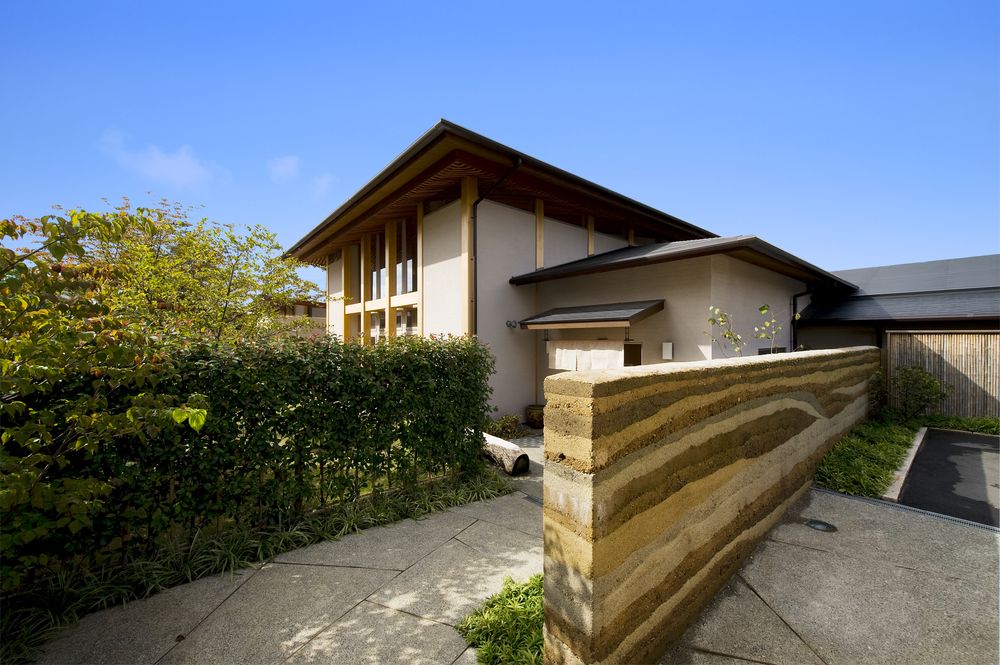
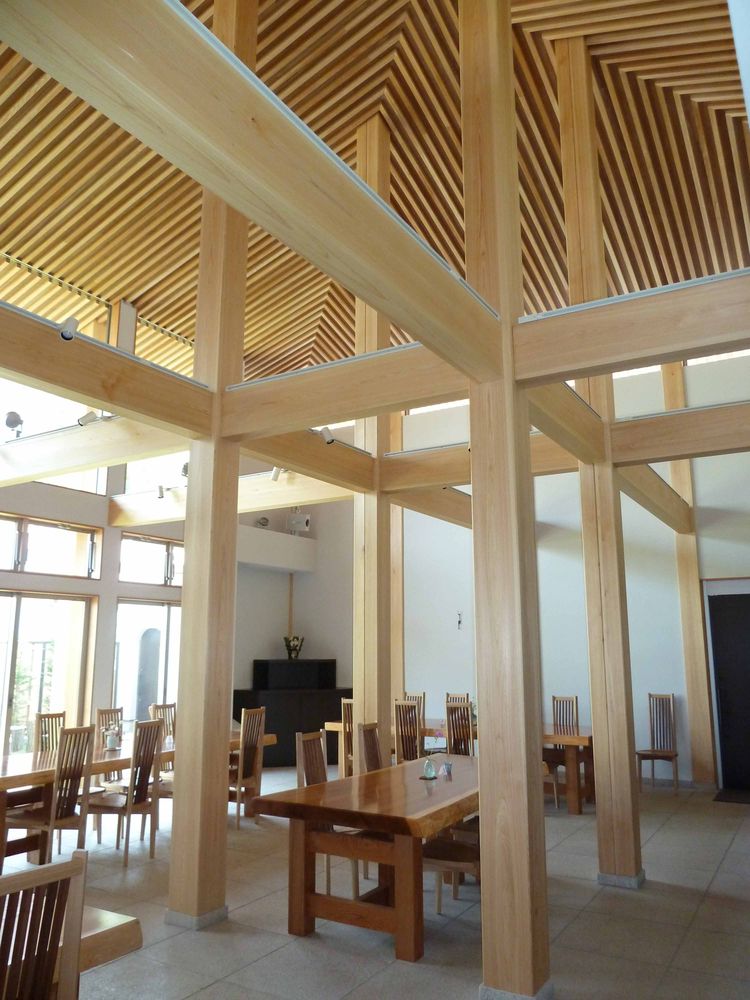
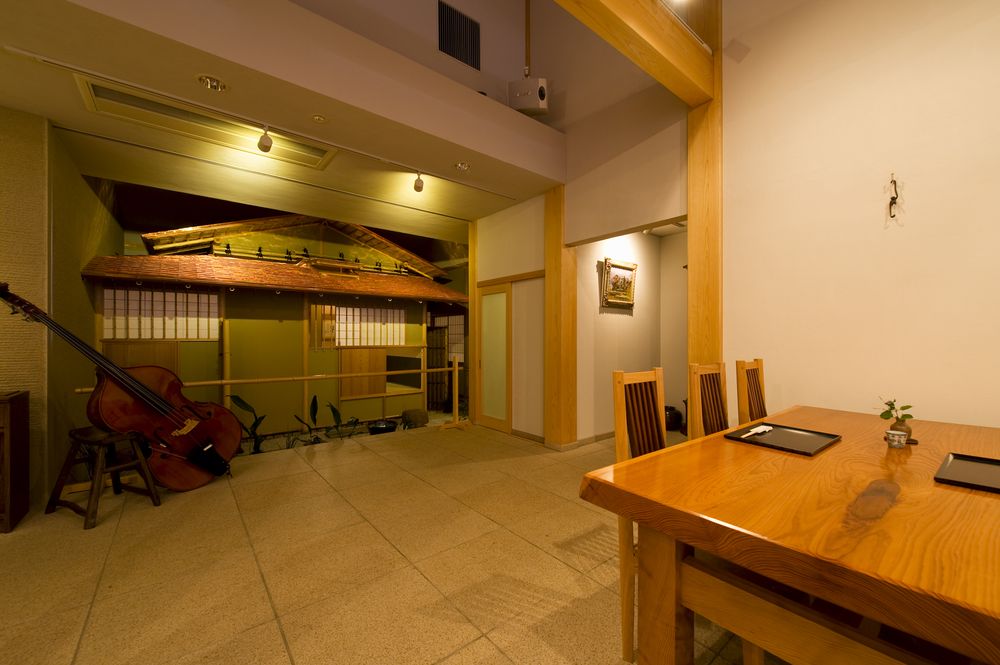
The house is surrounded by a traditional rammed-earth wall, built up layer by layer from earth. Inside, the main dining room has cypress pillars, natural stone floors and tall windows facing the garden.
Hiroma — the large tatami room
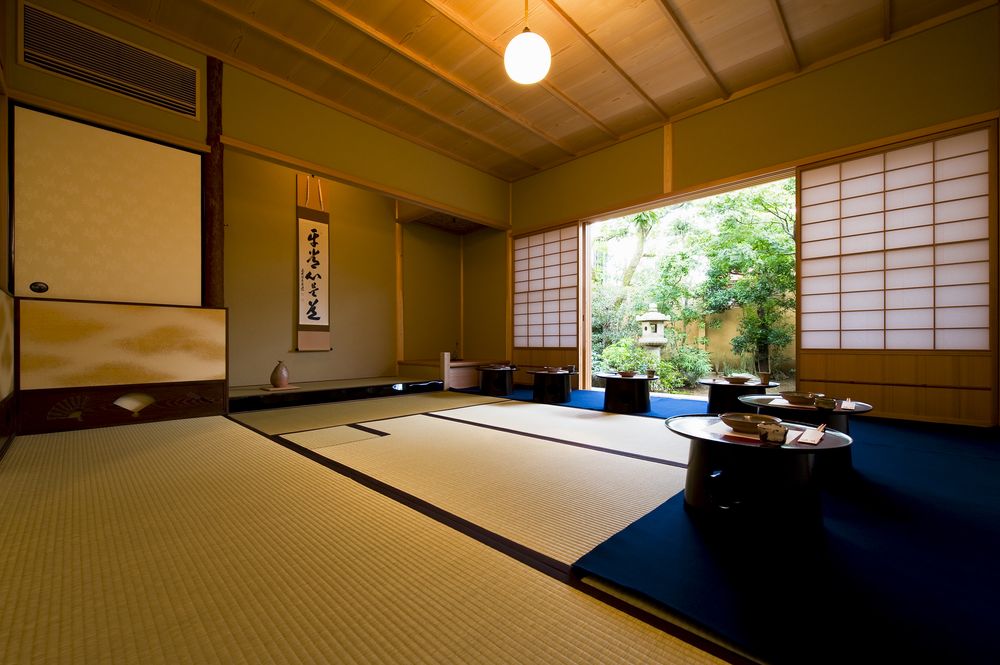
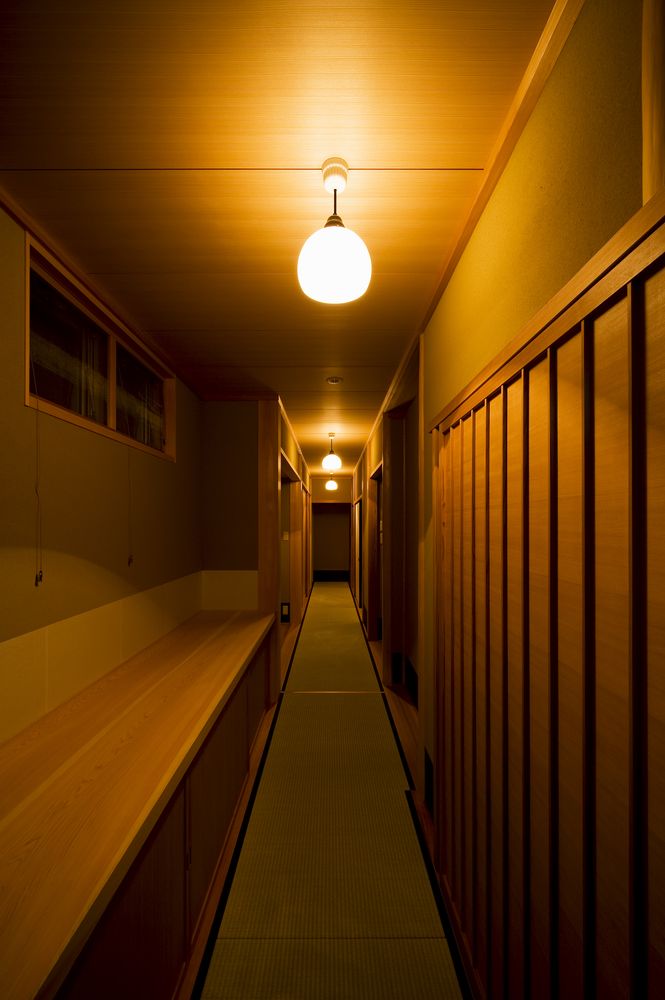
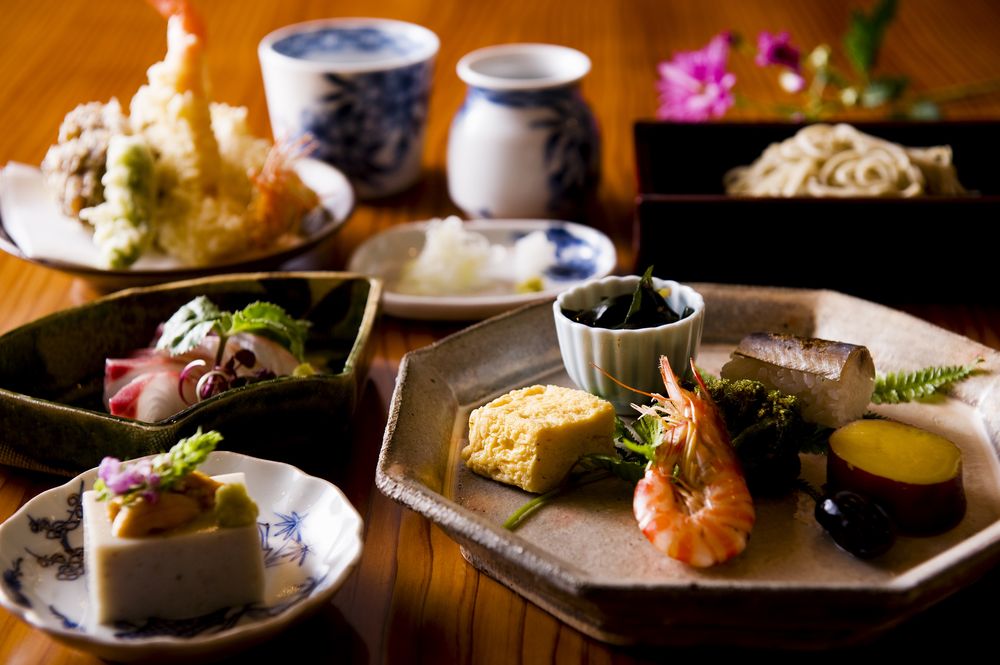
In the tea ceremony, a room larger than four and a half tatami mats is called a hiroma. Tea can be prepared here in the formal style, with display shelves such as the daisu. The hiroma is also used for kaiseki meals.
Koma — the small tea room
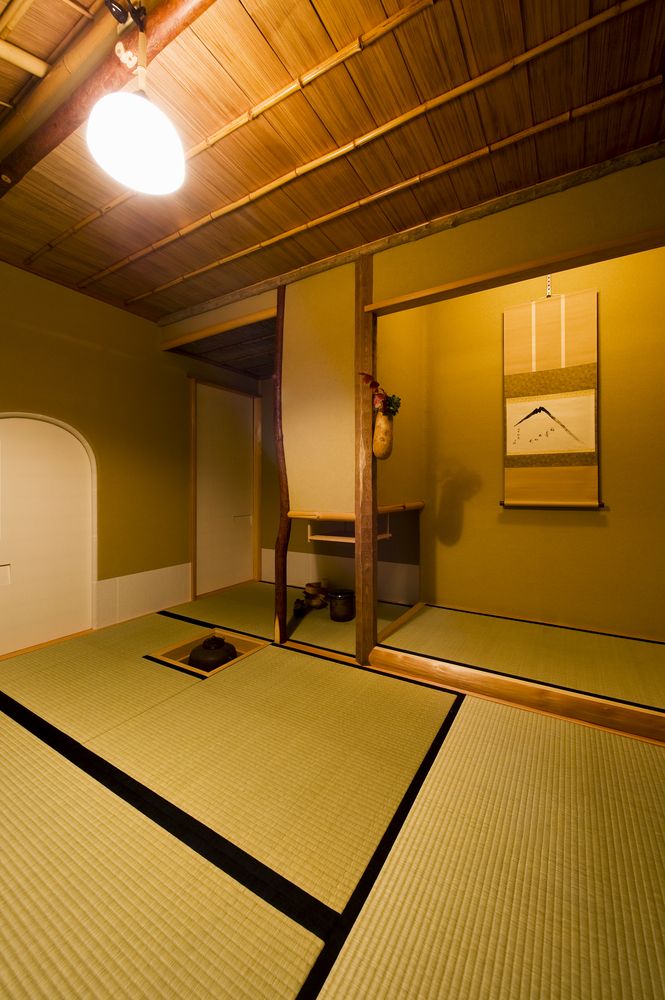
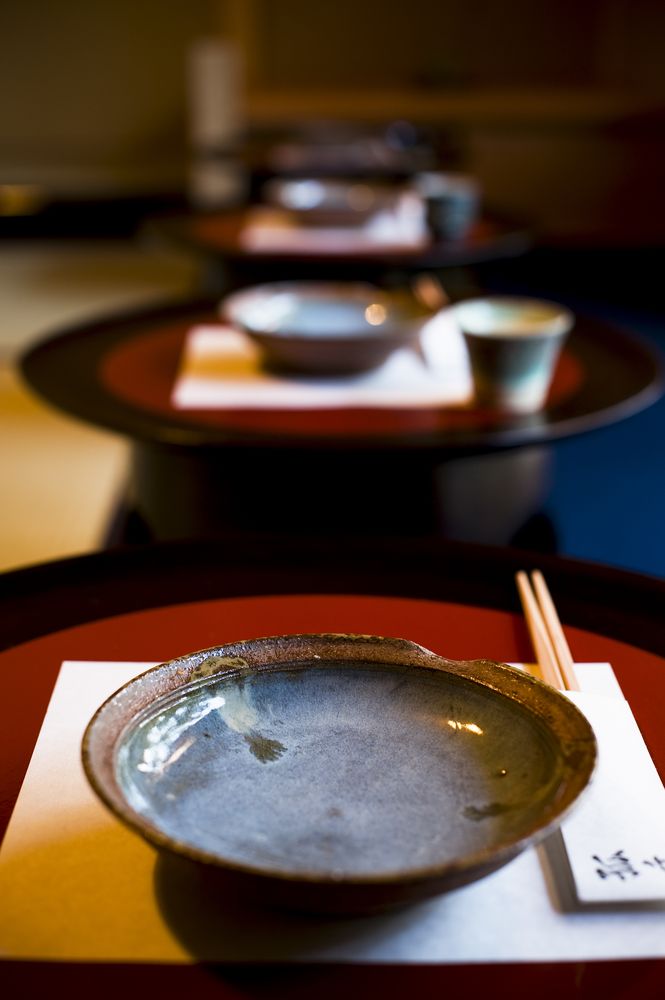
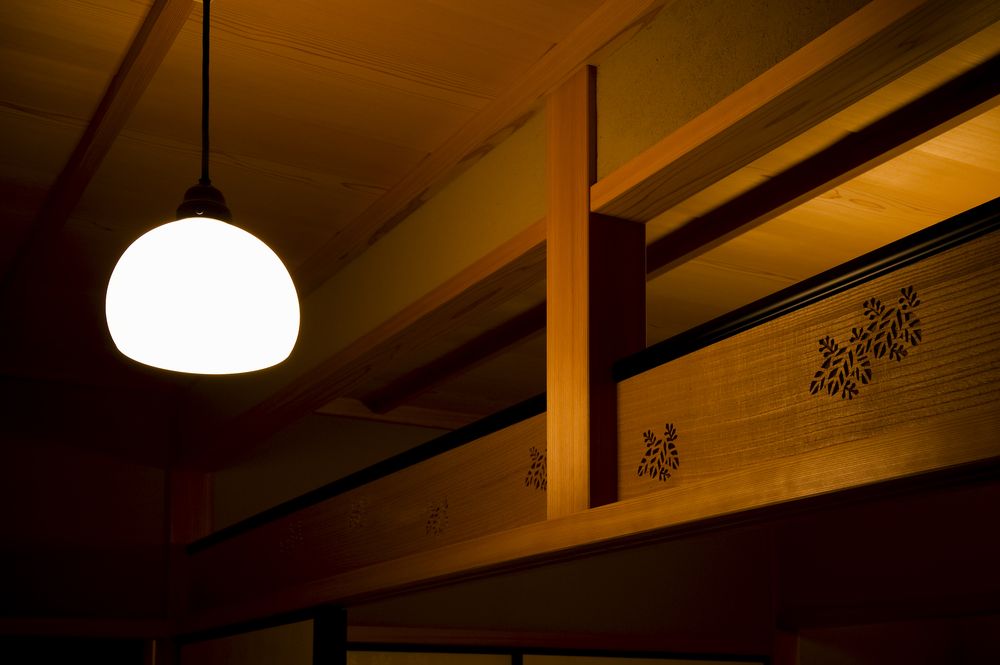
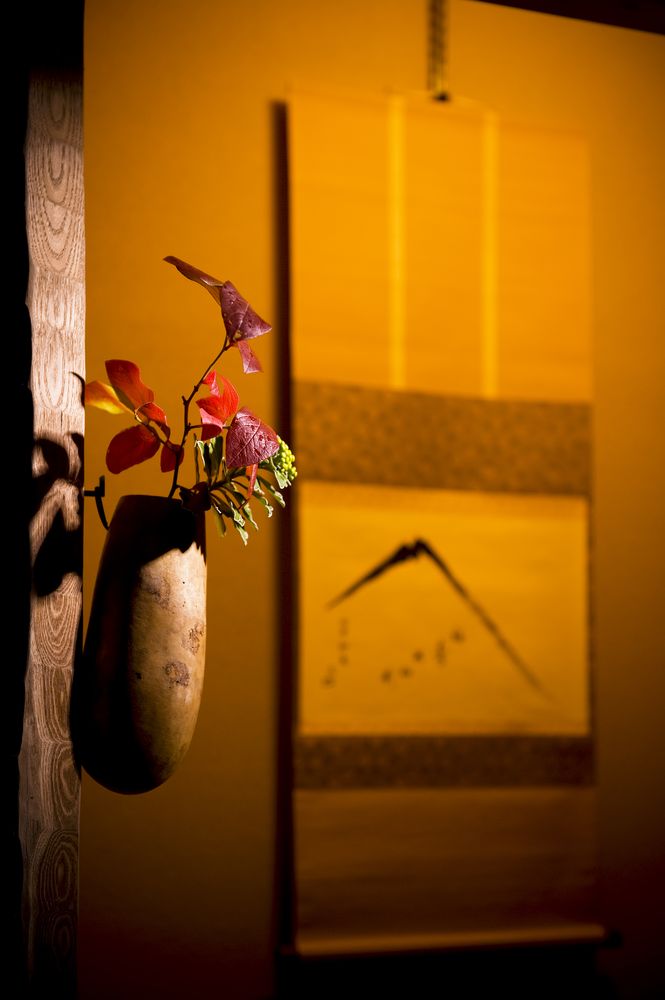
A room of four and a half tatami mats or smaller is called a koma. It is the world of wabi-cha: a low ceiling, a tokonoma alcove for a scroll and flowers, and a sunken hearth (ro) used in the colder months.
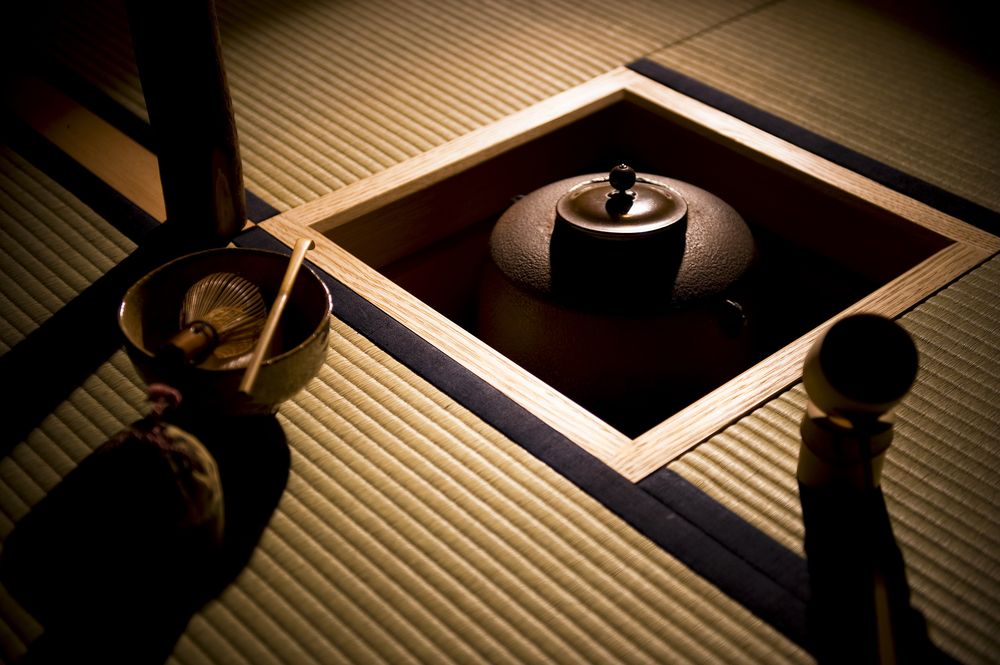
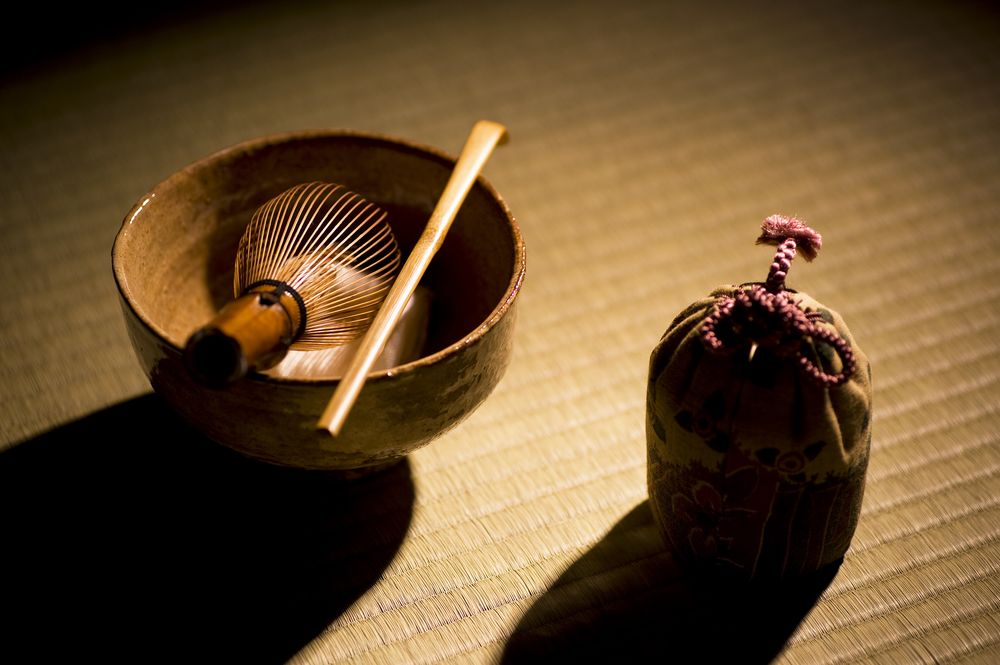
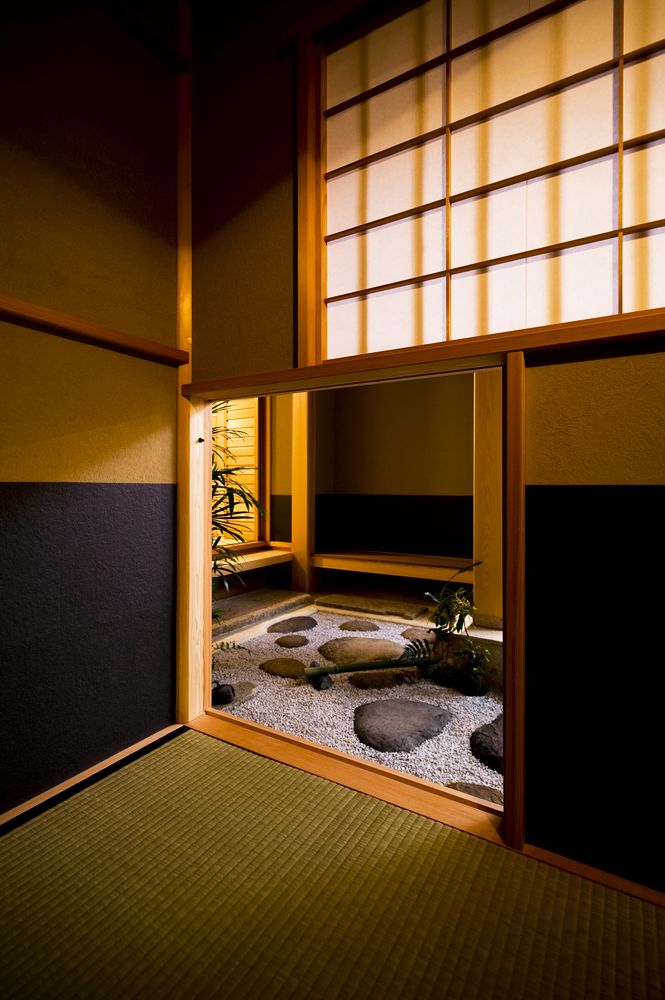
Guests enter the koma through the nijiriguchi, a small, low door. Everyone must bow to pass through it, a reminder that all guests are equal in the tea room.
Roji — the tea garden
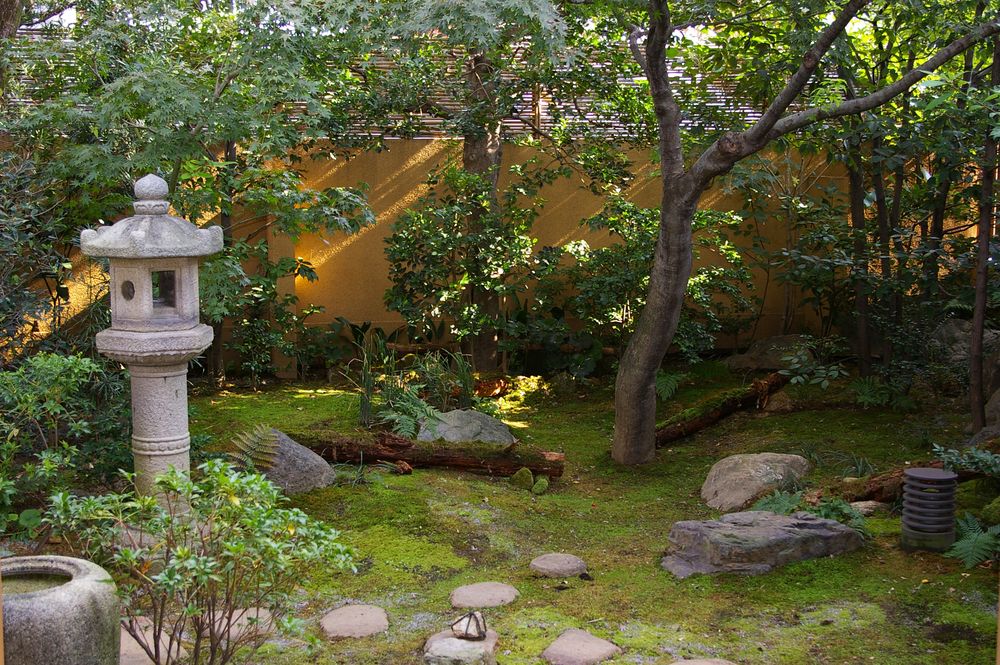
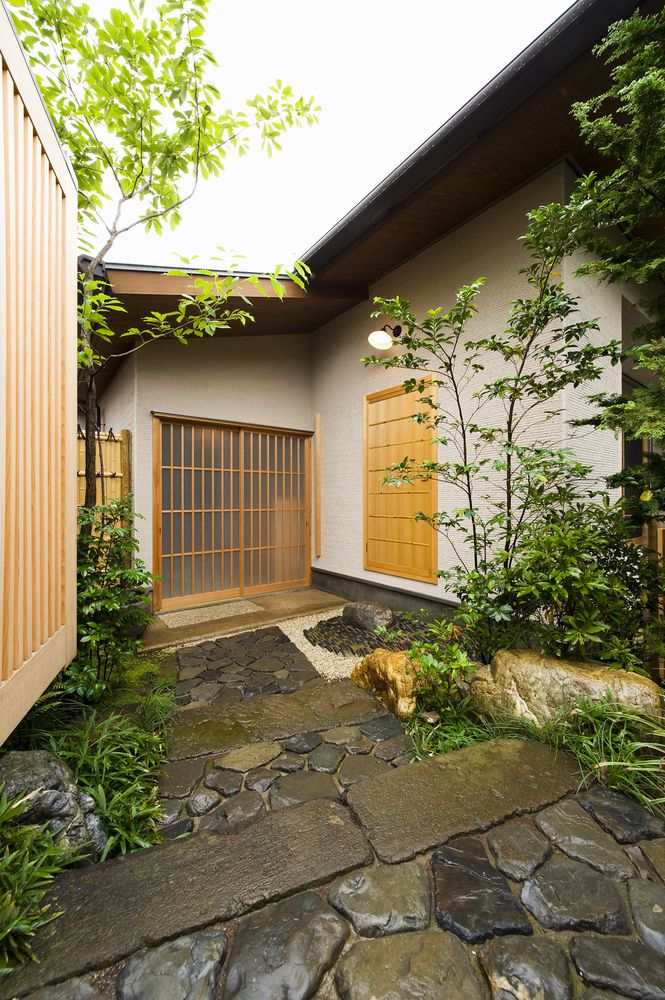
The roji is the garden path that leads to the tea room. It is not a garden to look at from inside, but a path that prepares guests for tea. Guests walk along the stepping stones, wait on a bench and rinse their hands at a stone water basin before entering.
The moss garden

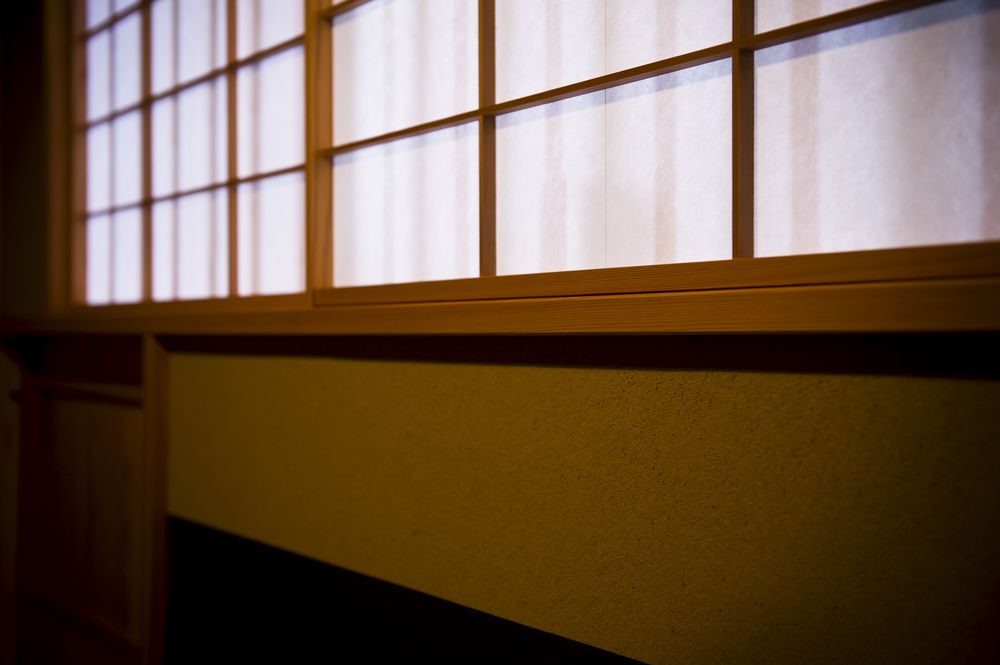
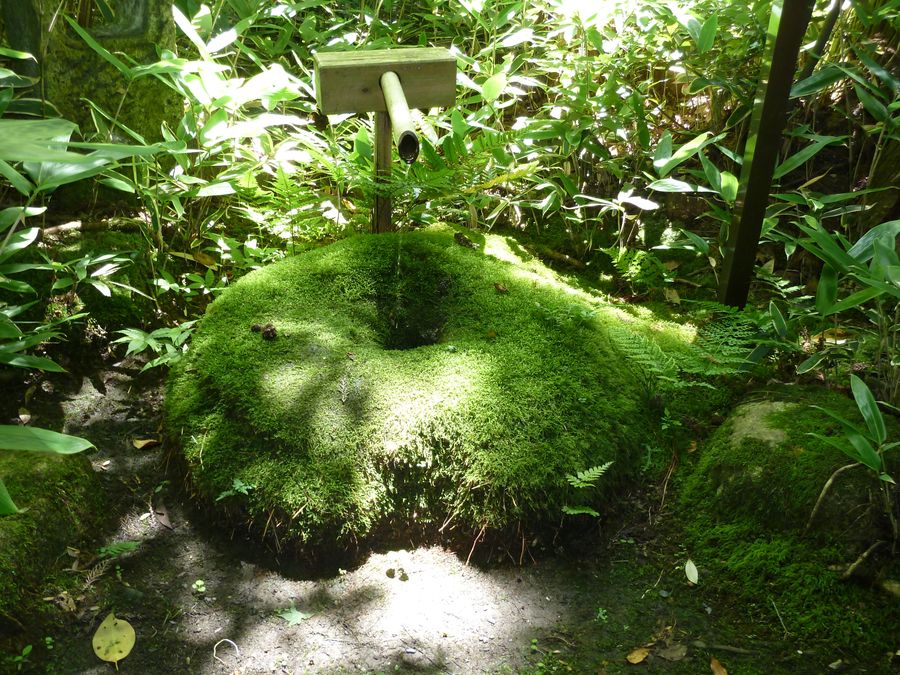
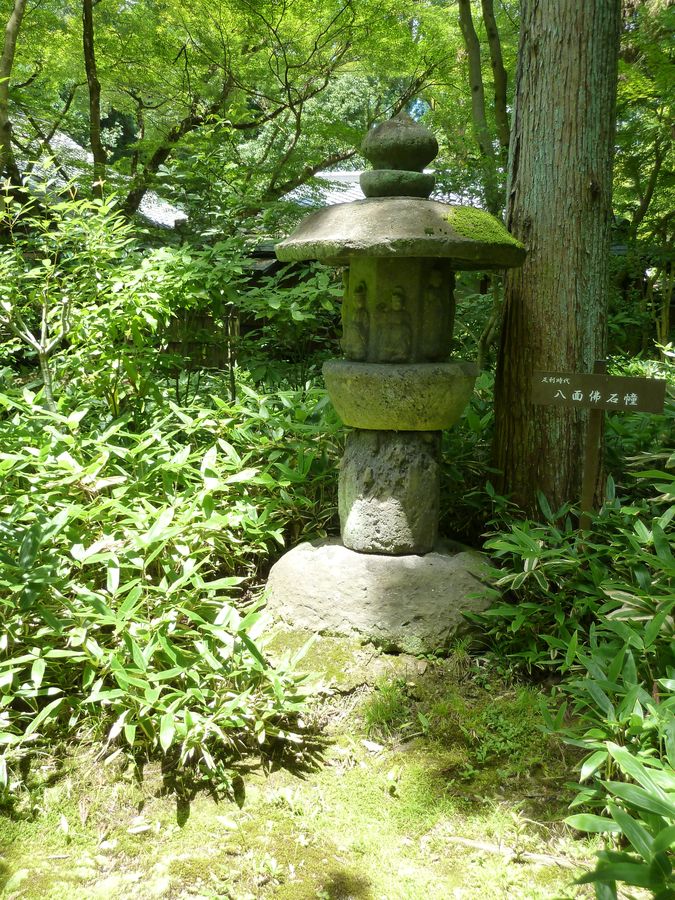
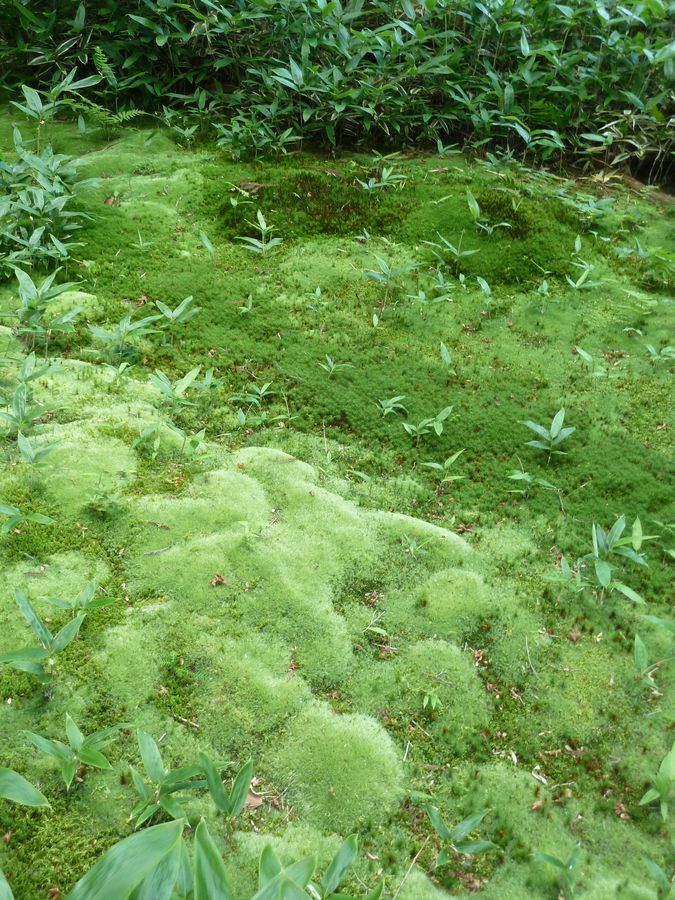
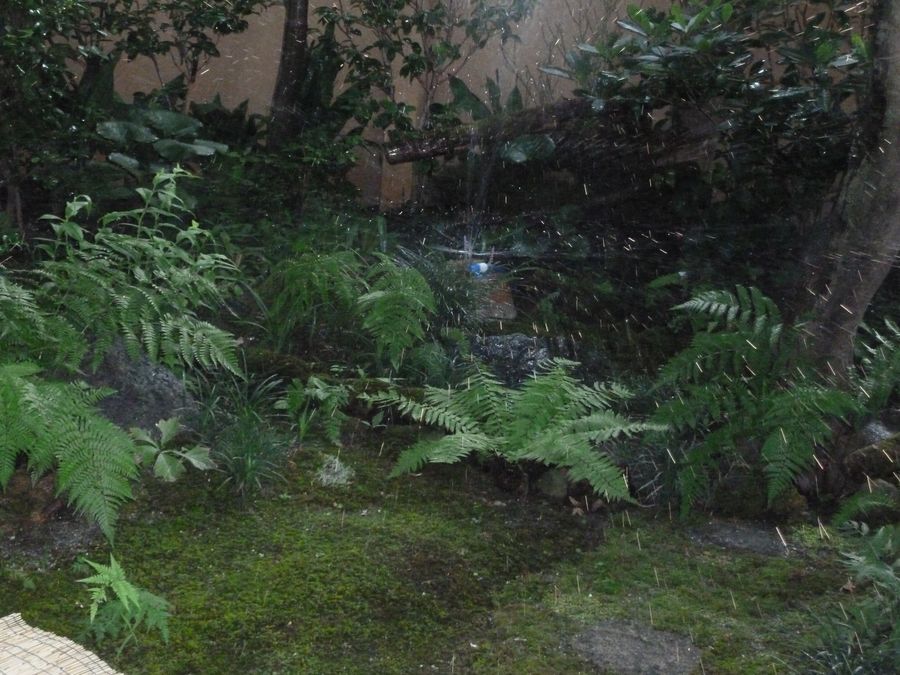
Outside the hiroma lies a quiet garden of moss, ferns and stone. In the rainy season and through the summer the moss turns a deep, soft green. Guests in the hiroma can enjoy it through the open shoji.

Mizuya — the preparation room
Behind the tea rooms is the mizuya, the “kitchen” of the tea room. Here the host washes and arranges the tea utensils and prepares the water and sweets before and during a tea gathering. With a proper mizuya, full formal tea gatherings can be held here.
Camellias in winter
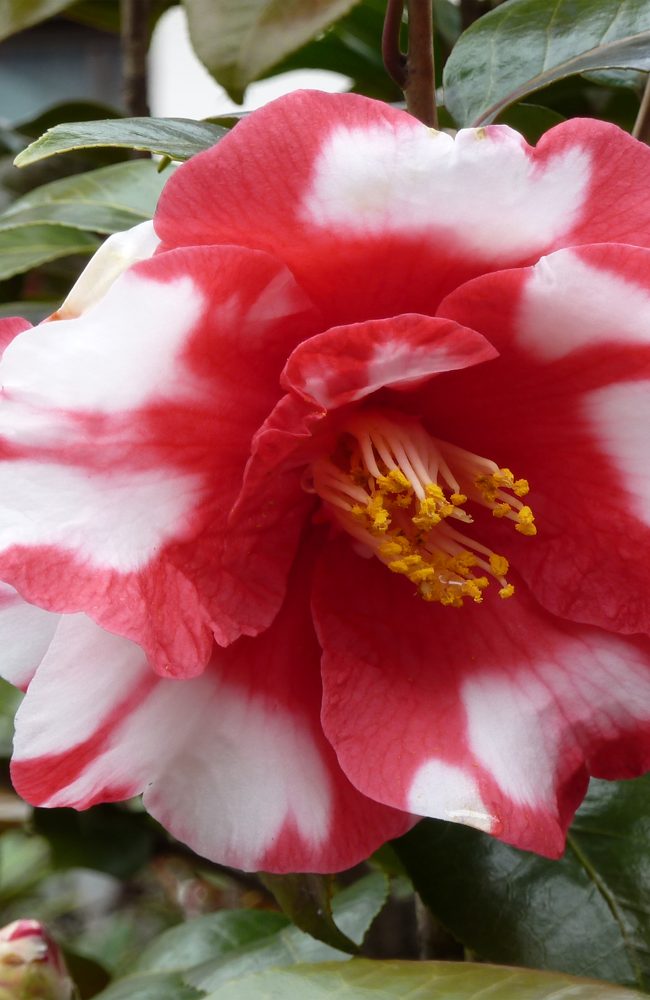
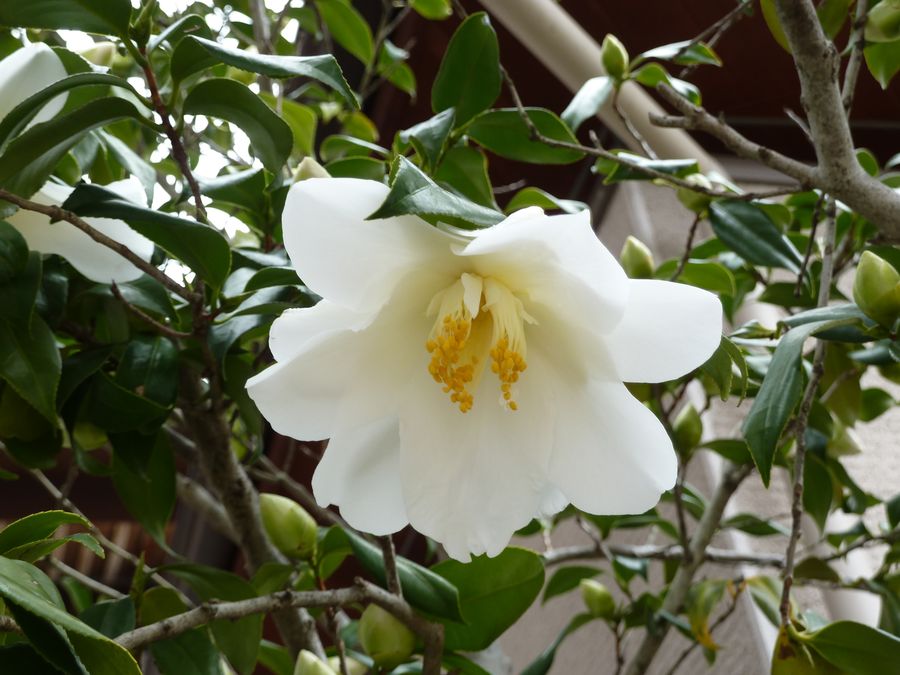
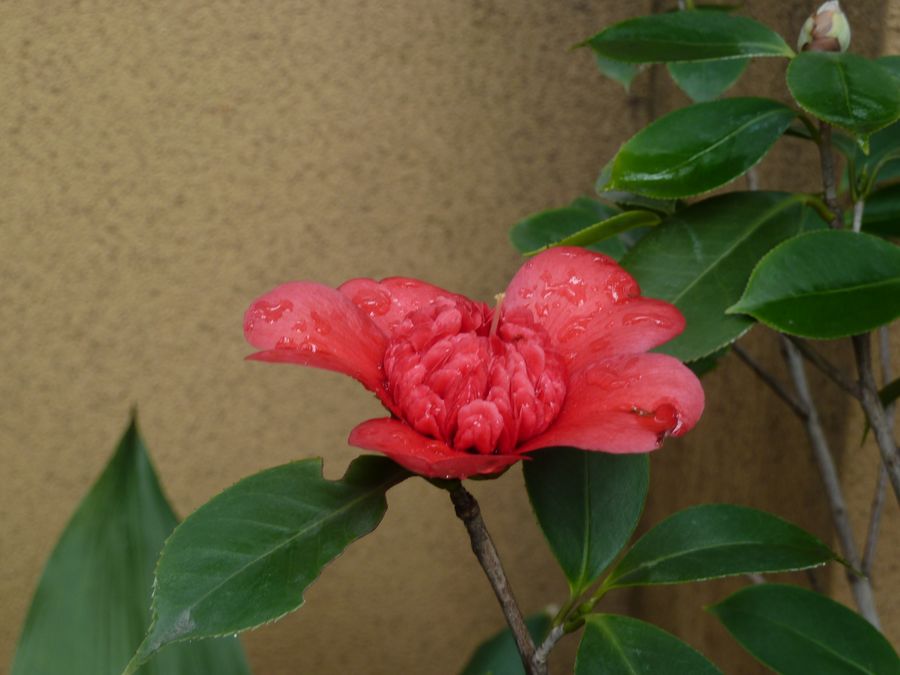
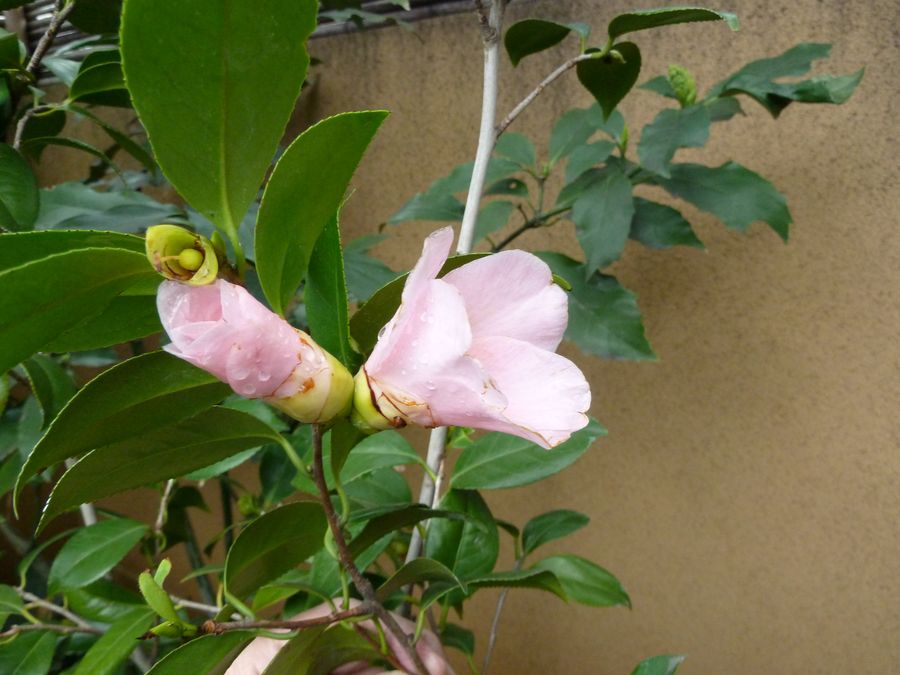
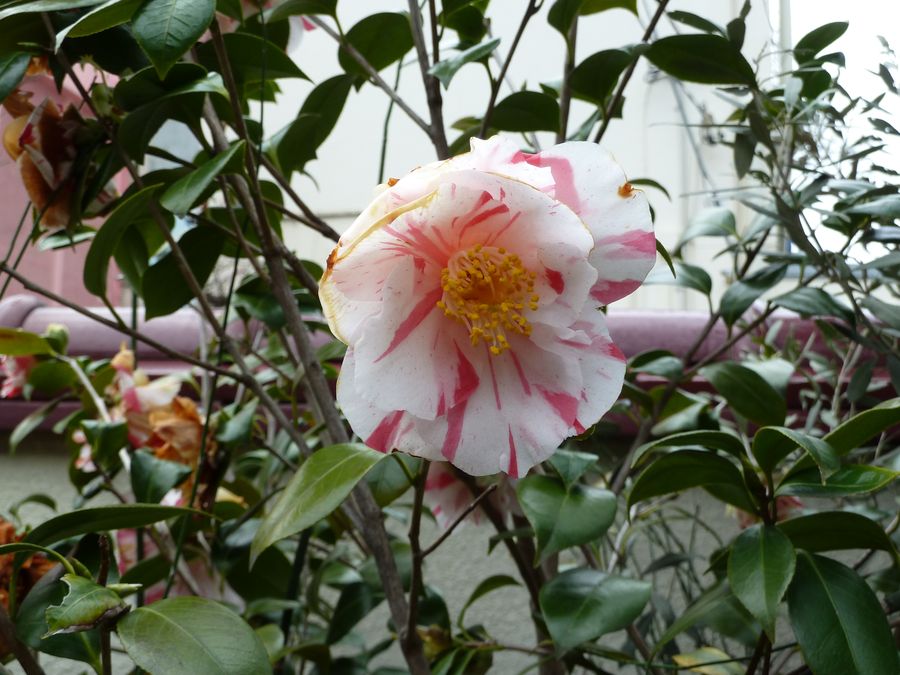
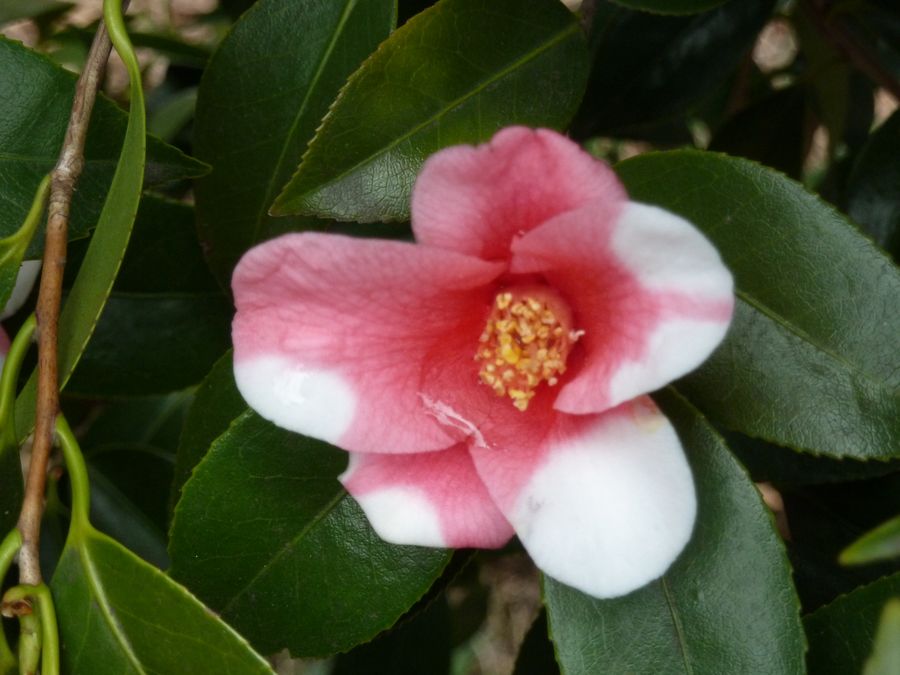
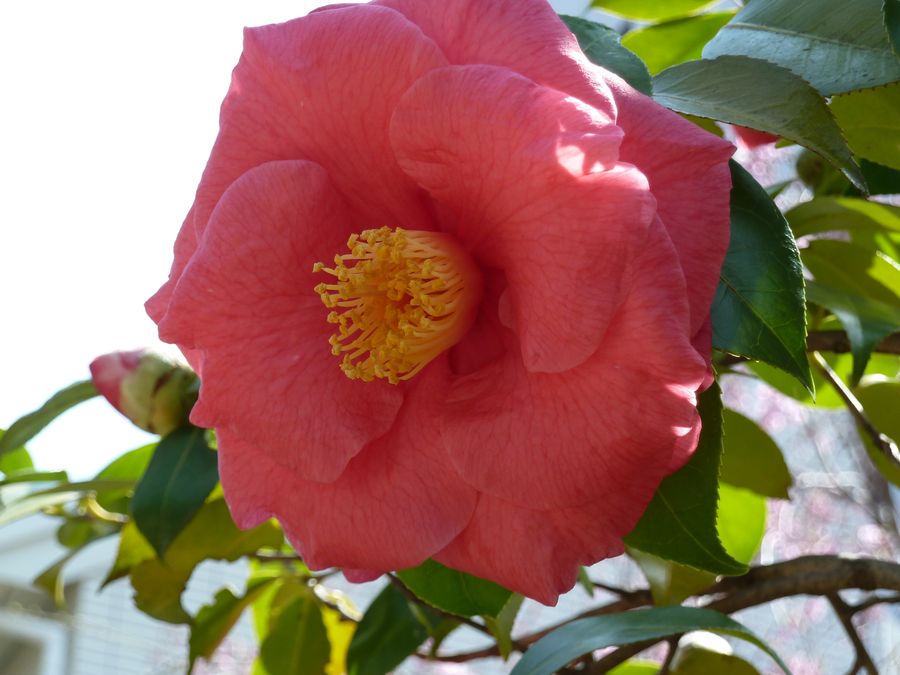
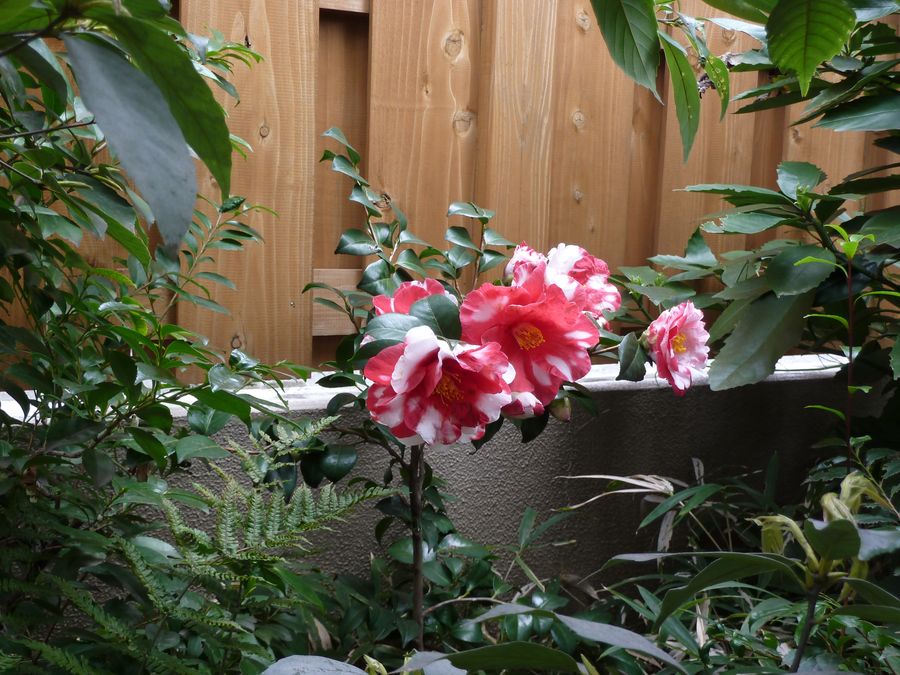
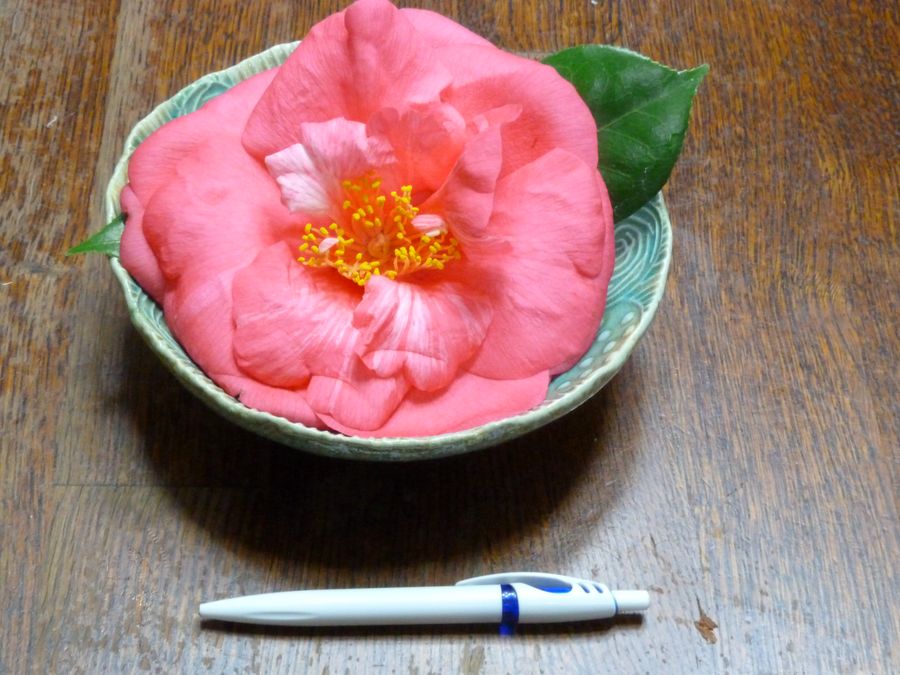
Nearly one hundred camellia (tsubaki) trees grow around Kokyu. From winter into early spring they bloom one after another, in white, pink, red and striped varieties. Camellias are much loved in the tea ceremony, where a single flower or bud is often placed in the tokonoma.
To use the tea rooms for a tea gathering or a private meal, please contact us by phone.